1. Plate Tectonics:
* Mountain Formation: The movement of tectonic plates causes them to collide, buckle, and fold, creating mountain ranges like the Himalayas.
* Volcanoes and Earthquakes: When plates collide, one can slide beneath the other (subduction) causing molten rock to rise and erupt as volcanoes. Subduction also triggers earthquakes.
* Ocean Floor Formation: At mid-ocean ridges, plates move apart, allowing magma to rise and create new ocean floor.
2. Weather and Climate:
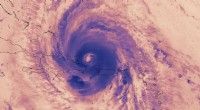
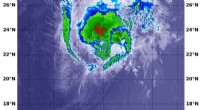
* Wind and Precipitation: Atmospheric pressure differences drive winds, which distribute heat and moisture, causing rain, snow, and storms.
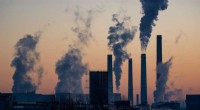
* Climate Change: Human activities are accelerating the natural greenhouse effect, trapping heat and changing global weather patterns.
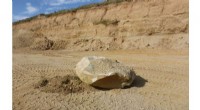
* Erosion: Wind and water wear away rocks and soil, shaping landscapes and influencing soil fertility.
3. Water Cycle:
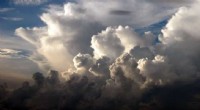
* Evaporation and Precipitation: Water evaporates from oceans and lakes, forms clouds, and returns to Earth as rain, snow, or hail.
* Water Erosion: Rivers carve out valleys, transport sediments, and shape coastlines.
* Glaciers: Moving ice sheets carve out valleys, create fjords, and deposit sediments, shaping landscapes.
4. Gravity:
* Earth's Shape: Gravity pulls everything towards the Earth's center, giving it its spherical shape.
* Tides: The moon's gravity pulls on the Earth's oceans, creating tides.
* Sedimentation: Gravity causes sediments to settle and accumulate, forming layers of rock.
5. Solar Radiation:
* Energy Source: The sun provides the energy for Earth's climate system, driving weather patterns and supporting life.
* Day and Night: Earth's rotation creates day and night as different parts of the planet face the sun.
* Seasons: Earth's tilt on its axis creates seasons as different parts of the planet receive varying amounts of sunlight.
6. Other Forces:
* Meteor Impacts: Large impacts can cause widespread devastation and even extinction events.
* Cosmic Rays: High-energy particles from space can interact with Earth's atmosphere and contribute to climate change.
Impacts of Natural Forces:
* Habitat Change: Natural forces shape landscapes, creating new habitats and destroying others, influencing the distribution of plant and animal life.
* Resource Availability: Forces like erosion and tectonic activity create and expose resources like minerals, oil, and natural gas.
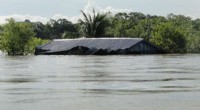
* Natural Disasters: Earthquakes, volcanoes, floods, and storms can have devastating impacts on human life and infrastructure.
Understanding the natural forces that shape our planet is crucial for managing resources, predicting hazards, and adapting to the ever-changing environment.