Physical Landscape Shaping the Human Landscape:
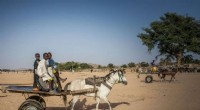
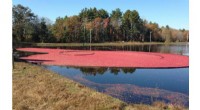
* Resource Availability: The natural resources present in a region influence human activities. Abundant forests lead to logging, fertile land encourages agriculture, and mineral deposits drive mining.
* Climate and Topography: Climate determines the types of crops that can be grown, the need for shelter, and the design of infrastructure. Mountainous terrain restricts transportation and settlements, while flat land allows for sprawling cities.
* Natural Hazards: Volcanic eruptions, earthquakes, floods, and droughts all influence human settlement patterns and disaster preparedness strategies.
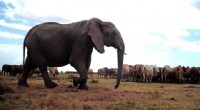
* Biodiversity: The variety of plant and animal life in a region can influence the development of industries, tourism, and cultural practices.
Human Landscape Shaping the Physical Landscape:
* Land Use: Human activities like agriculture, urbanization, and deforestation significantly alter the physical landscape. Deforestation leads to soil erosion and habitat loss, while urbanization leads to increased impervious surfaces and heat islands.
* Pollution: Industrial activities, transportation, and agriculture release pollutants into the air, water, and soil, impacting ecosystems and human health.
* Climate Change: Human activities, especially the burning of fossil fuels, contribute to global warming, causing rising sea levels, extreme weather events, and other changes to the physical environment.
* Resource Management: Human decisions about resource extraction, conservation, and sustainable practices directly affect the physical landscape.
Examples:
* The Nile River: This physical feature has supported human civilization for thousands of years, providing fertile land for agriculture and a transportation network. Human settlements and agricultural practices have, in turn, impacted the river's flow and water quality.
* The Amazon Rainforest: This vast ecosystem is being threatened by deforestation for agriculture, logging, and mining, which has significant implications for biodiversity, climate regulation, and local communities.
* The Great Barrier Reef: This coral reef is facing increasing threats from climate change, pollution, and overfishing, highlighting the impact of human activity on fragile ecosystems.
Key Considerations:
* Scale: This relationship plays out at various scales, from local communities to global systems.
* Sustainability: Understanding the interconnectedness between the physical and human landscape is crucial for sustainable development and environmental protection.
* Ethical Responsibility: Humans have a responsibility to manage their impact on the physical landscape and ensure a healthy and habitable planet for future generations.
In conclusion, the physical and human landscape are not separate entities but rather interconnected systems that mutually influence and shape each other. Understanding this relationship is essential for informed decision-making, responsible resource management, and a sustainable future.