Climate as a Driving Force:
* Temperature: Species have optimal temperature ranges for survival, reproduction, and growth. This limits their distribution, as they're unlikely to thrive in areas that are too hot or too cold.
* Precipitation: Water availability is critical. Some species require abundant rainfall, while others are adapted to arid conditions.
* Sunlight: Sunlight intensity influences photosynthesis and, thus, plant growth. This, in turn, impacts the distribution of herbivores and other species that rely on plants.
* Seasonality: Seasonal changes in temperature and precipitation create distinct niches and influence migration patterns, breeding cycles, and food availability.
Adaptations and Evolution:
* Species evolve to suit their climate: Over time, species develop adaptations that allow them to thrive in specific climates. Examples include thick fur in polar regions, succulent leaves in deserts, and camouflage for blending into the environment.
* Climate change creates challenges: Rapidly changing climate conditions can outpace a species' ability to adapt. This can lead to range shifts, population declines, and even extinction.
Examples:
* Polar bears: Highly adapted to Arctic climates with their thick fur, large paws, and hunting strategies. As sea ice melts due to climate change, their habitat shrinks, impacting their survival.
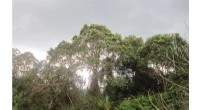
* Tropical rainforests: Host an incredible diversity of species due to their stable, humid climate and abundant sunlight. Deforestation and climate change threaten these ecosystems.
* Coral reefs: Sensitive to temperature changes and ocean acidification. Rising sea temperatures cause coral bleaching, disrupting the entire ecosystem.
Key Concepts:
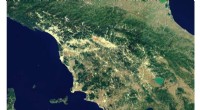
* Biogeographic regions: Distinct areas with unique climate conditions and species assemblages.
* Climate niche: The specific set of climatic conditions that allow a species to thrive.
* Climate envelope: The range of climate conditions a species can tolerate.
* Climate change impacts: Shifts in species distributions, altered interactions between species, and potential extinctions.
In Summary:
Climate is a powerful driver of species distribution. Species have adapted to specific climate conditions over millennia, but changing climate poses a significant threat to biodiversity. Understanding this relationship is crucial for predicting future impacts and implementing conservation efforts.