Climate is the long-term average weather patterns in a particular region. It encompasses factors like:
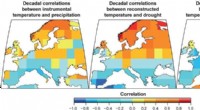
* Temperature: The average high and low temperatures over a long period (usually 30 years).
* Precipitation: The average amount of rain, snow, or other forms of precipitation.
* Humidity: The amount of moisture in the air.
* Wind patterns: The direction and strength of prevailing winds.
* Sunshine: The amount of sunlight a region receives.
Climate is not the same as weather. Weather refers to the short-term atmospheric conditions at a particular time and place, while climate is the long-term average of these conditions.
Climate change is a long-term shift in the average weather patterns that define a region's climate. This change can be caused by a number of factors, both natural and human-induced:
Natural Factors:
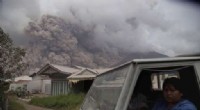
* Volcanic eruptions: Volcanoes release large amounts of gases and particles into the atmosphere, which can reflect sunlight and cool the Earth's surface, or trap heat and warm it.
* Solar activity: Variations in the sun's energy output can influence Earth's climate, with periods of higher solar activity leading to warmer temperatures.
* Earth's orbital variations: Changes in Earth's orbit around the sun, known as Milankovitch cycles, can alter the amount of solar radiation received by different parts of the planet, leading to long-term climate changes.
* Plate tectonics: Continental drift and mountain building can influence ocean currents, atmospheric circulation, and regional climates.
Human-induced Factors:
* Greenhouse gas emissions: Burning fossil fuels like coal, oil, and natural gas releases greenhouse gases such as carbon dioxide, methane, and nitrous oxide into the atmosphere. These gases trap heat, leading to a warming effect.
* Deforestation: Trees absorb carbon dioxide from the atmosphere. Deforestation reduces the Earth's capacity to absorb carbon dioxide, contributing to the increase in greenhouse gas concentrations.
* Agricultural practices: Intensive agriculture releases greenhouse gases like methane and nitrous oxide.
* Industrial processes: Industrial activities release greenhouse gases and pollutants, contributing to climate change.
The current state of climate change is largely driven by human activities, particularly the burning of fossil fuels. This has resulted in a rapid increase in global temperatures, leading to:
* Rising sea levels: Melting glaciers and ice sheets contribute to rising sea levels, threatening coastal communities.
* More frequent and intense extreme weather events: These events include heatwaves, droughts, floods, and wildfires.
* Changes in precipitation patterns: Some regions are experiencing increased rainfall, while others are experiencing droughts.
* Ocean acidification: As the ocean absorbs carbon dioxide, it becomes more acidic, impacting marine ecosystems.
Climate change is a complex issue with far-reaching consequences. Understanding the causes and effects of climate change is crucial for addressing this global challenge and mitigating its impacts.