For Humans:
* Disease Transmission: Some animals can carry diseases that can be transmitted to humans, like Lyme disease or rabies.
* Property Damage: Animals can damage crops, fences, and other property, causing economic losses.
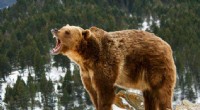
* Safety Concerns: Certain animals, particularly large predators, can pose a threat to human safety.
* Competition for resources: In some cases, animals can compete with humans for resources like water, food, and timber.
For Other Animals:
* Competition for resources: Different animal species can compete for food, water, shelter, and other resources. This can lead to imbalances in populations.
* Predation: Predators are a natural part of the ecosystem, but they can negatively impact populations of prey animals.
* Disease outbreaks: Overcrowding or stress in animal populations can increase the risk of disease outbreaks.
* Introduction of invasive species: Non-native animals can disrupt the balance of the ecosystem and outcompete native species.
For the Forest:
* Overgrazing: Excessive grazing by herbivores can damage vegetation and hinder forest regeneration.
* Habitat destruction: Animals can damage trees by gnawing on bark or digging burrows, particularly in sensitive areas.
* Spread of invasive plants: Some animals can contribute to the spread of invasive plants by dispersing seeds.
It's important to remember that these challenges are usually best addressed through careful management practices and responsible human actions. This can include:
* Protecting human safety: Through awareness campaigns, safe wildlife viewing practices, and reducing human-wildlife conflicts.
* Managing populations: By implementing strategies like hunting, trapping, and habitat restoration to maintain a healthy balance of species.
* Protecting habitats: By promoting responsible logging practices, preserving natural areas, and creating wildlife corridors.
Overall, while there can be potential challenges associated with animals in forests, these challenges are often outweighed by the immense benefits that animals bring to the ecosystem. Healthy and diverse animal populations contribute to a thriving and resilient forest.