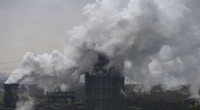
The greenhouse effect is a natural process that keeps our planet warm enough to sustain life. Here's how it works:
1. Sunlight reaches Earth: The sun's energy, primarily in the form of visible light and infrared radiation, passes through the atmosphere and reaches the Earth's surface.
2. Earth absorbs energy: The Earth absorbs this energy, warming up.
3. Earth emits infrared radiation: As the Earth warms, it emits infrared radiation back into the atmosphere.
4. Greenhouse gases trap heat: Certain gases in the atmosphere, known as greenhouse gases (like carbon dioxide, methane, nitrous oxide, and water vapor), trap some of this infrared radiation. This trapped heat warms the Earth's lower atmosphere and surface.
Think of it like a blanket: the greenhouse gases act as a blanket, trapping some of the heat that would otherwise escape back into space. Without the greenhouse effect, Earth's average temperature would be a frigid -18°C (0°F), making life impossible.
The Problem: Enhanced Greenhouse Effect
The problem arises when we increase the concentration of greenhouse gases in the atmosphere. Human activities like burning fossil fuels, deforestation, and agriculture release large amounts of these gases, amplifying the natural greenhouse effect. This leads to:
* Global warming: The increased trapping of heat causes the average global temperature to rise.
* Climate change: This warming triggers widespread changes in weather patterns, including:
* More frequent and intense heatwaves: Higher temperatures and heat waves are becoming more common.
* Extreme precipitation events: Heavy rainfall and flooding are becoming more frequent.
* Sea level rise: Melting glaciers and ice sheets contribute to rising sea levels, threatening coastal communities.
* Ocean acidification: The absorption of carbon dioxide by oceans makes them more acidic, harming marine life.
* Changes in plant and animal life: Species struggle to adapt to changing environments, leading to shifts in ecosystems and potential extinctions.
Mitigation and Adaptation
To address the enhanced greenhouse effect and its consequences, we need to:
* Reduce greenhouse gas emissions: Transitioning to renewable energy sources, improving energy efficiency, and adopting sustainable practices are crucial.
* Adapt to the changing climate: Implementing strategies like building seawalls, developing drought-resistant crops, and managing water resources are essential for minimizing the impact of climate change.
The greenhouse effect is a complex phenomenon with far-reaching consequences. Understanding it is vital for tackling climate change and ensuring a sustainable future.