1. Creating Diverse Habitats:
* Altitude and Climate: Mountains create varying altitudes, resulting in diverse microclimates. This leads to a wide range of temperatures, precipitation levels, and sunlight exposure, supporting a variety of plant and animal life adapted to these specific conditions.
* Terrain and Topography: The rugged terrain and steep slopes of mountains provide unique habitats for specialized species, including alpine meadows, coniferous forests, and rocky cliffs.
2. Influencing Weather Patterns:
* Rain Shadows: Mountains act as barriers to moisture-laden winds, causing rain on one side (windward side) and creating drier conditions on the other (leeward side). This creates contrasting environments, fostering diverse ecosystems.
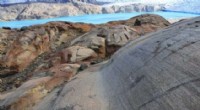
* Glaciers and Snowfields: Mountains accumulate snow and form glaciers, which play a crucial role in regulating water cycles and shaping landscapes. Glaciers carve valleys, create lakes, and deposit fertile sediments, contributing to the diversity of habitats.
3. Promoting Evolutionary Change:
* Isolation: Mountains can isolate populations, leading to genetic divergence and the evolution of unique species adapted to their specific environments. This process, known as allopatric speciation, is a key driver of biodiversity.
* Refugia: During periods of climate change, mountains can act as refugia, providing safe havens for species struggling to adapt. These areas can serve as reservoirs of genetic diversity.
4. Providing Resources:
* Water Sources: Mountain ranges are often the source of major rivers, supplying water for human populations and ecosystems downstream.
* Mineral Resources: Mountains are rich in minerals, providing resources for human use, such as metals, gemstones, and building materials.
Conclusion:
Mountains are not the creators of life, but they act as powerful forces shaping the Earth's environment and influencing the evolution, distribution, and diversity of life. Their unique characteristics contribute to a wide range of habitats, weather patterns, and resources, making them crucial for the flourishing of life on our planet.