Cooling Effects:
* Shading: Trees and other plants provide shade, blocking direct sunlight and reducing the amount of solar radiation reaching the ground. This directly lowers surface temperatures.
* Transpiration: Plants release water vapor into the atmosphere through their leaves, a process called transpiration. This cools the surrounding air, similar to how sweating cools our bodies.
* Evapotranspiration: The combined process of transpiration and evaporation from the soil cools the environment. Plants with larger leaves and deeper root systems have higher evapotranspiration rates, leading to more effective cooling.
* Albedo: Vegetation generally has a lower albedo (reflectivity) than bare ground. This means they absorb more sunlight, but this energy is used for photosynthesis, not simply raising surface temperatures.
* Wind Reduction: Forests and dense vegetation act as windbreaks, reducing wind speed and creating microclimates with lower temperatures.
Warming Effects:
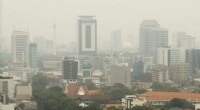
* Urban Heat Island Effect: While vegetation helps cool cities, urban areas with less greenery experience the urban heat island effect. Buildings and paved surfaces absorb more heat than vegetation, leading to higher temperatures in urban environments.
* Greenhouse Gases: While vegetation absorbs CO2, deforestation releases significant amounts of this greenhouse gas, contributing to global warming.
Specific Examples:
* Forests: Forests have a profound cooling effect due to their large surface area and extensive canopy. They also contribute to the formation of clouds and precipitation.
* Grasslands: Grasslands have a lower cooling effect than forests but still contribute to temperature regulation through transpiration and wind reduction.
* Urban Greenery: Planting trees and other vegetation in cities can significantly reduce urban heat island effects and improve air quality.
Overall Impact:
Vegetation plays a critical role in moderating temperature fluctuations, creating cooler microclimates, and influencing global climate patterns. Protecting existing vegetation and promoting reforestation are crucial steps to mitigate climate change and maintain a healthy planet.