1. Orographic Lifting and Rainfall:
* Windward Side: When moist air masses encounter a mountain range, they are forced to rise. This upward movement, called orographic lifting, cools the air, causing water vapor to condense and form clouds. This results in increased rainfall on the windward side of the mountain, creating lush vegetation and often wetter climates.
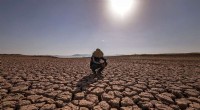
* Leeward Side: As the air descends on the leeward side of the mountain, it compresses and warms. This process leads to a decrease in relative humidity and often creates a rain shadow effect, resulting in drier conditions.
2. Temperature Variations:
* Elevation: Temperatures generally decrease with increasing elevation. This is due to the thinner atmosphere at higher altitudes, which absorbs less solar radiation.
* Microclimates: Mountains create distinct microclimates due to varying aspects, elevations, and slopes. This leads to diverse vegetation zones and habitats.
3. Wind Patterns:
* Channeling: Mountain valleys can act as channels for wind, creating wind tunnels that can accelerate wind speeds and create powerful gusts.
* Mountain Gaps: Gaps in mountain ranges can allow winds to flow through, influencing the climate of surrounding areas.
4. Glacier Formation and Snowmelt:
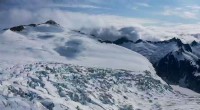
* Glacial Erosion: Mountains are often home to glaciers, which carve out valleys and shape the landscape. Glacial meltwater contributes to rivers and streams, impacting water availability downstream.
* Snowpack: Snow accumulates on mountain slopes, creating a reservoir of water that melts gradually during warmer months, providing a steady source of water for downstream areas.
5. Biodiversity:
* Habitat Diversity: Mountains provide diverse habitats for plants and animals, supporting a wide variety of biodiversity.
* Endemic Species: Due to isolation and specific climatic conditions, many unique species evolve and are found only in mountainous regions.
In summary, mountains significantly influence climate through:
* Altering rainfall patterns.
* Creating temperature variations.
* Affecting wind patterns.
* Influencing glacier formation and snowmelt.
* Supporting diverse ecosystems and biodiversity.
Understanding the complex relationship between mountains and climate is crucial for managing resources, predicting weather patterns, and conserving biodiversity in these valuable ecosystems.