1. Competition for Sunlight:
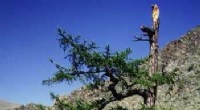
* Limited Light: Trees in a dense forest are constantly competing for sunlight, which is essential for photosynthesis. The taller trees have an advantage because they can reach the upper canopy and capture more sunlight.
* Suppression of Lower Branches: As trees grow taller, their lower branches often die off due to lack of light. This allows the tree to focus its energy on growing upwards.
2. Mutualism:
* Wind and Nutrients: Tall trees in a forest can create wind currents that distribute pollen and seeds. They also contribute to the breakdown of organic matter, which releases nutrients for the entire forest ecosystem. This benefits all trees in the forest, including those that are not as tall.
3. Genetic Predisposition:
* Forest Adaptation: Trees that grow in forests have evolved to thrive in these environments. They have genes that favor taller growth, stronger wood, and efficient light capture.
4. Environmental Factors:
* Soil Quality: Richer soil with abundant nutrients can support taller tree growth.
* Climate: A warm and wet climate with sufficient moisture can encourage taller trees.
* Lack of Disturbances: Forests that are undisturbed by fire, logging, or other disturbances tend to have taller trees.
In Summary:
While sunlight competition is a major driver of tree height in forests, a combination of factors, including mutualistic relationships, genetic predisposition, and environmental conditions, contributes to the overall growth and height of trees.