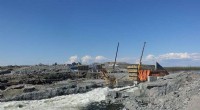
Here's a bit more about what geologists do:
* Study rocks, minerals, and soils: Geologists analyze the composition, structure, and origin of these materials.
* Investigate Earth's history: They use fossils, rock formations, and other clues to understand the Earth's past and how it has changed over time.
* Explore natural resources: Geologists help locate and extract resources like oil, gas, and minerals.
* Assess natural hazards: They study earthquakes, volcanoes, landslides, and other geological phenomena to understand their causes and predict future events.
* Protect the environment: Geologists contribute to environmental protection by studying pollution, waste disposal, and other environmental issues.
There are many different specialties within geology, such as:
* Petrology: The study of rocks
* Mineralogy: The study of minerals
* Paleontology: The study of fossils
* Geochemistry: The study of the chemical composition of the Earth
* Geophysics: The study of the Earth's physical properties
* Seismology: The study of earthquakes
* Volcanology: The study of volcanoes
So, if you're interested in learning about the Earth, its history, and its resources, then a career in geology might be a good fit for you!