Physical Weathering:
* Frost wedging: Water seeps into cracks, freezes and expands, putting pressure on the rock and breaking it apart.
* Thermal expansion and contraction: Rocks heat up and cool down differently, leading to expansion and contraction, creating cracks and eventually breaking the rock.
* Abrasion: Rocks collide with each other due to wind, water, or glacial movement, causing them to wear down and fragment.
* Salt weathering: Salt crystals grow in the pores of rocks, putting pressure on the rock structure and breaking it down.
* Exfoliation: The outer layers of rock peel off due to pressure release, often seen in mountainous areas.
Chemical Weathering:
* Dissolution: Water dissolves certain minerals in rocks, like limestone, creating caves and sinkholes.
* Oxidation: Minerals in rocks react with oxygen, changing their composition and causing the rock to weaken and break down.
* Hydrolysis: Water reacts with minerals in rocks, creating new minerals that are weaker and more easily eroded.
* Carbonation: Carbon dioxide dissolves in rainwater, forming carbonic acid that reacts with rocks like limestone, dissolving them.
Biological Weathering:
* Plant roots: Growing plant roots can pry rocks apart, creating cracks and fissures.
* Burrowing animals: Animals like moles and earthworms create tunnels and burrows that break up soil and rock.
* Lichens: Lichens produce acids that break down rocks and help create soil.
Examples of weathering landforms:
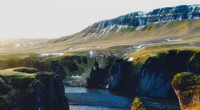
* Canyons: Formed by erosion through the process of weathering and erosion.
* Sinkholes: Depressions formed by the dissolution of limestone rocks.
* Sea stacks: Isolated columns of rock formed by wave erosion.
* Arches: Natural rock formations formed by weathering and erosion.
* Pinnacles: Pointed, spire-like rocks formed by differential weathering.
It's important to remember that weathering is a slow and continuous process, and many landforms are created through a combination of weathering and erosion.