Geological Forces:
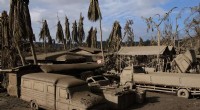
* Volcanic Eruptions: Eruptions can create new landforms like mountains, craters, and lava flows. They can also drastically alter existing landscapes through ash deposition and pyroclastic flows.
* Earthquakes: Earthquakes can shift land masses, creating fault lines, canyons, and even tsunamis that can reshape coastlines.
* Tectonic Plate Movement: Over long periods, the movement of tectonic plates can create mountains, volcanoes, and ocean trenches. However, rapid shifts due to earthquakes or volcanic activity can cause dramatic changes in a short time.
Weather and Climate Forces:
* Floods: Heavy rainfall or rapid snowmelt can lead to flooding that erodes soil, creates new river channels, and deposits sediment.
* Landslides: Heavy rainfall or earthquakes can trigger landslides, which can rapidly reshape hillsides and valleys.
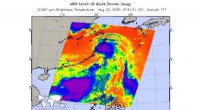
* Hurricanes and Typhoons: These storms can cause massive flooding, erosion, and changes to coastal landscapes.
Human Activities:
* Mining: Open-pit mining and quarrying can drastically alter landscapes and create large, unnatural depressions.
* Construction: Building roads, dams, and other infrastructure can change river courses, create new reservoirs, and alter the flow of water.
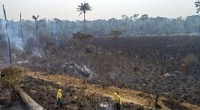
* Deforestation: Removal of forests can lead to soil erosion, landslides, and changes in water flow patterns.
It's important to note:
* The speed of change depends on the scale of the event and the type of landscape.
* The impact of these forces can be both destructive and constructive, creating new landscapes while altering existing ones.
Let me know if you'd like to explore any of these forces in more detail!