Internal Forces:
* Plate tectonics: The Earth's outer layer, the lithosphere, is broken into large plates that move around on a semi-molten layer called the asthenosphere. These movements cause:
* Earthquakes: When plates collide, slide past each other, or pull apart, they release energy in the form of seismic waves, causing earthquakes.
* Volcanoes: Molten rock, or magma, rises from the Earth's mantle and erupts at the surface, creating volcanoes.
* Mountain ranges: Plate collisions can push up the Earth's crust, forming mountain ranges.
* Ocean trenches: When plates converge, one plate may be forced under the other, creating a deep trench.
* Isostasy: This principle explains how the Earth's crust floats on the denser mantle. Large mountains have deep "roots" that extend into the mantle, while ocean basins are relatively thin.
* Magmatism: The movement of magma within the Earth can create intrusions (igneous rocks formed underground) and extrusions (igneous rocks formed on the surface).
External Forces:
* Weathering: The breakdown of rocks, soil, and minerals through physical and chemical processes:
* Physical weathering: Processes like frost wedging, abrasion, and thermal expansion break down rocks into smaller pieces.
* Chemical weathering: Processes like oxidation, acid rain, and hydrolysis chemically alter the composition of rocks.
* Erosion: The transport of weathered material by agents like wind, water, ice, and gravity:
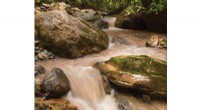
* Water erosion: Rivers, streams, and oceans can carve out canyons, valleys, and coastlines.
* Wind erosion: Wind can transport sand and dust, shaping deserts and other landscapes.
* Glacial erosion: Glaciers can carve out valleys, transport sediment, and create distinctive landforms.
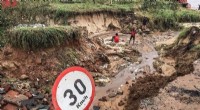
* Gravity: Gravity pulls everything towards the Earth's center, causing landslides, rockfalls, and the movement of sediment downhill.
* Climate: Temperature, precipitation, and other climatic factors influence weathering and erosion rates.
Combined Effects:
These internal and external forces work together to constantly shape the Earth's surface. For example, plate tectonics may create mountains, but weathering and erosion will slowly wear them down over time. Volcanoes can create new land, but erosion can eventually reshape it.
The constant interplay of these forces creates the dynamic and diverse landscape we see on Earth today.