1. Lush Vegetation:
* Canopy Layers: The most defining feature is the dense canopy of trees, often reaching heights of 100 feet or more. This creates distinct layers: the emergent layer (tallest trees), the upper canopy, the understory (smaller trees and shrubs), and the forest floor.
* Epiphytes: These plants grow on other plants, taking advantage of the ample moisture and sunlight filtered through the canopy. Examples include orchids, bromeliads, and ferns.
* Vines and Lianas: These climbing plants add to the complexity of the rainforest, creating a dense and tangled environment.
* High Biodiversity: The diverse vegetation supports an incredible array of animal life, contributing to the high biodiversity of rainforests.
2. Water Bodies:
* Rivers and Streams: Rainforests often have a complex network of rivers and streams, playing a crucial role in nutrient transport and shaping the landscape.
* Swamps and Marshes: Areas with poor drainage can create swamps and marshes, supporting specialized plant and animal life.
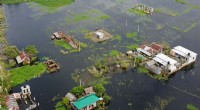
* Floodplains: Some areas are subject to seasonal flooding, leading to unique ecosystems adapted to periodic inundation.
3. Soils:
* Lateritic Soils: These soils are generally infertile due to rapid decomposition and leaching of nutrients.
* Oxides: High rainfall leads to the accumulation of iron and aluminum oxides, giving the soil a reddish or orange hue.
4. Relief:
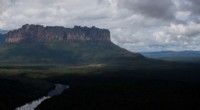
* Hills and Mountains: Rainforests are often found in mountainous regions, with varying slopes and elevations.
* Valleys and Plateaus: The terrain can also include valleys, plateaus, and other topographic features.
5. Dynamic Nature:
* Erosion and Landslides: Heavy rainfall can cause erosion and landslides, shaping the landscape and creating new features.
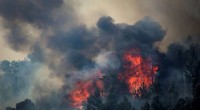
* Forest Fires: While less common than in other biomes, forest fires can occur, particularly in dry periods or due to human activity.
The terrain of a tropical rainforest is constantly evolving, shaped by the interplay of climate, vegetation, and geological processes. It's a complex and dynamic environment that supports an extraordinary diversity of life.