General Climatic Zones:
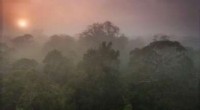
* Tropical Wet: This climate prevails in the lowlands, characterized by high temperatures (25-30°C) year-round and abundant rainfall (over 2000mm annually). This climate supports lush rainforests and diverse ecosystems.
* Tropical Dry: This climate is found in areas with a distinct dry season, typically occurring between November and April. Temperatures remain high (20-30°C), but rainfall is lower (500-1500mm annually). This climate supports savannas, grasslands, and deciduous forests.
* Temperate: This climate exists in higher altitudes, typically above 1500 meters. Temperatures are cooler (10-20°C) and rainfall can be significant. This climate supports pine forests, oak forests, and cloud forests.
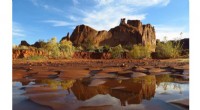
* Arid: This climate is found in the northernmost parts of Mesoamerica, particularly in the Tehuacán Valley in Mexico. It is characterized by low rainfall (less than 500mm annually) and high temperatures (over 30°C). This climate supports desert scrublands and cacti.
Specific Climatic Features:
* Monsoon Season: The Caribbean coast experiences a strong monsoon season during summer months, bringing heavy rainfall.
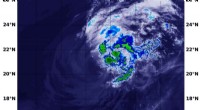
* Hurricane Season: Mesoamerica is prone to hurricanes, particularly during late summer and early autumn.
* El Niño-Southern Oscillation (ENSO): This climatic phenomenon can significantly impact rainfall patterns, causing droughts or floods in different regions.
Impacts of Climate on Mesoamerican Societies:
* Agriculture: The diverse climates supported a variety of agricultural systems, including maize cultivation in lowlands, beans and squash in highlands, and cacao in tropical rainforests.
* Urban Planning: Pre-Columbian Mesoamerican civilizations adapted their cities to specific climates, using drainage systems, terraces, and other techniques for water management.
* Cultural Practices: Climate influenced many cultural practices, including religious rituals, food consumption, and clothing.
Climate Change Impacts:
* Increased temperatures: This is leading to droughts, heat waves, and changes in agricultural yields.
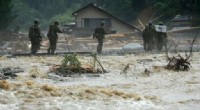
* Changes in rainfall patterns: This is causing floods, landslides, and water scarcity in some areas.
* Rising sea levels: This threatens coastal communities and ecosystems.
Understanding the diverse climates of Mesoamerica is crucial for understanding its rich history, cultural practices, and ongoing challenges related to climate change.