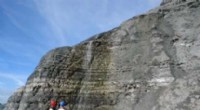
Here's a breakdown:
* Topography: This refers to the arrangement of the natural and artificial physical features of an area. It encompasses things like:
* Landforms: Mountains, valleys, plains, plateaus, hills, etc.
* Water bodies: Rivers, lakes, oceans, seas, etc.
* Vegetation: Forests, grasslands, deserts, etc.
* Climate: Temperature, precipitation, humidity, etc.
* Soil: Type, composition, fertility, etc.
* Elevation: Height above sea level.
* Slope: The steepness or gentleness of the terrain.
Other related terms:
* Landform: A specific feature of the Earth's surface (e.g., a mountain, a valley).
* Terrain: The physical character of a particular area, especially in terms of its suitability for different activities.
* Geography: The study of the Earth's surface, including its physical features, human populations, and the interactions between them.
So, when you're talking about the mountains, rivers, and forests of a region, you're talking about its topography.