Mountains:
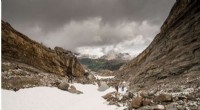
* Fold Mountains: Formed by the compression and uplift of tectonic plates, often creating spectacular peaks and ranges (e.g., Himalayas, Alps).
* Block Mountains: Created by faulting, where blocks of land are uplifted or depressed (e.g., Sierra Nevada, Harz Mountains).
* Volcanic Mountains: Formed by the eruption of lava and ash from volcanoes (e.g., Mount Fuji, Mount Kilimanjaro).
Plains:
* Coastal Plains: Low-lying areas adjacent to oceans, often formed by sediment deposition (e.g., Great Plains of North America, Pampas of South America).
* Alluvial Plains: Formed by the deposition of sediment by rivers (e.g., Indus Valley, Ganges Plain).
* Interior Plains: Relatively flat areas located inland, often formed by erosion (e.g., Great Plains of North America, Steppe of Eurasia).
Plateaus:
* High Plateaus: Elevated flat areas often bordered by cliffs (e.g., Tibetan Plateau, Colorado Plateau).
* Volcanic Plateaus: Formed by the eruption of large volumes of lava (e.g., Deccan Plateau, Columbia Plateau).
Valleys:
* River Valleys: Created by the erosion of rivers, often with steep sides and a narrow bottom (e.g., Grand Canyon, Yosemite Valley).
* Glacial Valleys: Formed by the erosion of glaciers, often with U-shaped profiles and hanging valleys (e.g., Yosemite Valley, Milford Sound).
Deserts:
* Hot Deserts: Characterized by high temperatures and low precipitation (e.g., Sahara Desert, Arabian Desert).
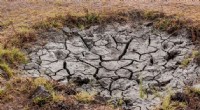
* Cold Deserts: Characterized by low temperatures and low precipitation (e.g., Antarctica, Gobi Desert).
Oceans:
* Continental Shelves: Relatively shallow areas surrounding continents, often with diverse marine life.
* Ocean Trenches: Deep, narrow depressions in the ocean floor, often associated with subduction zones.
* Mid-Ocean Ridges: Underwater mountain ranges where new ocean floor is created.
Other Landforms:
* Canyons: Deep, narrow gorges formed by erosion.
* Caves: Underground cavities formed by the dissolution of rock.
* Glaciers: Masses of ice that move slowly over land.
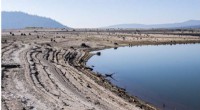
* Lakes: Bodies of water surrounded by land.
* Rivers: Channels of flowing water that transport sediment and shape the landscape.
The Earth's landscape is constantly changing, influenced by factors such as:
* Tectonic Plate Movement: The movement of the Earth's tectonic plates causes earthquakes, volcanic eruptions, and the formation of mountains.
* Erosion: The wearing away of rock and soil by wind, water, and ice.
* Weathering: The physical and chemical breakdown of rock.
* Climate Change: Changes in temperature and precipitation can have significant effects on the landscape.
Understanding the Earth's landscape is essential for managing natural resources, mitigating natural disasters, and appreciating the beauty and complexity of our planet.