1. Surface Water Collection:
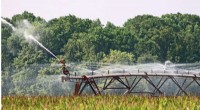
* Rivers and Lakes: Water is directly extracted from rivers, lakes, and reservoirs using pumps, intake structures, and pipelines. This method is widely used for municipal water supplies, irrigation, and industrial needs.
* Rainwater Harvesting: Collecting rainwater from rooftops, paved areas, or natural surfaces using gutters, cisterns, and tanks. This method is gaining popularity for household use and reducing reliance on municipal water sources.
2. Groundwater Extraction:
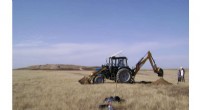
* Wells: Drilling wells into underground aquifers to extract water. This method is used for residential, agricultural, and industrial purposes.
* Springs: Collecting water naturally flowing from the ground at springs. This method is often used for smaller communities and livestock watering.
3. Desalination:
* Removing Salt from Seawater: Desalination plants use various technologies, including reverse osmosis, to remove salt and other minerals from seawater to produce fresh water. This method is particularly important in coastal areas with limited freshwater resources.
4. Other Methods:
* Fog Harvesting: Collecting water droplets from fog using specialized nets or mesh. This method is used in arid coastal areas where fog is frequent.
* Dew Collection: Collecting condensation from the atmosphere using plastic sheets or specialized collectors. This method is used in arid regions with high humidity.
It's important to note that water retrieval practices should be sustainable to avoid depletion of natural resources. Factors like water scarcity, environmental impact, and legal regulations play a crucial role in how water is retrieved and managed.