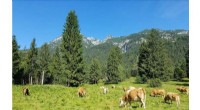
Forest ecosystems are incredibly diverse and teeming with life. Here's a glimpse into the fascinating world of animals and plants that call these green giants home:
Plants:
* Trees: The foundation of the forest! Different types of trees dominate different forest biomes, from towering redwoods to delicate ferns. These giants provide shade, shelter, and food for countless creatures.
* Shrubs: These smaller woody plants add another layer of vegetation, providing habitat and food sources for various animals.
* Herbs: Flowers, grasses, and other herbaceous plants thrive on the forest floor, contributing to biodiversity and offering essential nutrients.
* Mosses and Lichens: These tiny organisms often grow on trees, rocks, and decaying wood, playing a crucial role in nutrient cycling and providing habitat for small invertebrates.
Animals:
Mammals:
* Large Herbivores: Elephants, deer, giraffes, and other large mammals browse on leaves, fruits, and bark.
* Carnivores: Wolves, lions, tigers, and leopards hunt herbivores, keeping their populations in check.
* Omnivores: Bears, raccoons, and monkeys eat a mix of plants and animals.
* Small mammals: Squirrels, rabbits, mice, and other small mammals contribute to seed dispersal and are prey for larger predators.
Birds:
* Birds of Prey: Hawks, owls, and eagles soar above the forest canopy, hunting smaller animals.
* Songbirds: Diverse species like warblers, sparrows, and woodpeckers inhabit the forest, contributing to pollination and insect control.
* Parrots and Toucans: Found in tropical forests, these colorful birds feed on fruits and play a vital role in seed dispersal.
Reptiles and Amphibians:
* Snakes: Many species thrive in the forest, hunting small mammals, birds, and amphibians.
* Lizards: From small geckos to large iguanas, lizards contribute to insect control and are prey for larger animals.
* Frogs and Toads: These amphibians play a crucial role in insect control and are often indicators of ecosystem health.
Insects:
* Ants, bees, and wasps: These social insects play crucial roles in pollination, decomposition, and food chains.
* Beetles: From tiny bark beetles to giant dung beetles, they contribute to decomposition, pollination, and nutrient cycling.
* Butterflies and Moths: These flying insects contribute to pollination and are a food source for birds and other animals.
Other Life:
* Fungi: Essential decomposers, fungi break down dead plants and animals, releasing nutrients back into the ecosystem.
* Bacteria: Microscopic organisms that play a vital role in decomposition, nutrient cycling, and symbiotic relationships with other organisms.
Interdependence:
Each organism in a forest ecosystem plays a crucial role. They depend on each other for food, shelter, and survival. Predators regulate prey populations, pollinators ensure plant reproduction, and decomposers recycle nutrients, creating a complex and delicate balance.
Threats:
Forest ecosystems face threats from deforestation, climate change, pollution, and invasive species. Protecting these precious ecosystems is essential for the health of our planet and the countless species that call them home.