1. Land Use Changes:
* Agriculture: Clearing forests and grasslands for farming, grazing, and plantations.
* Urbanization: Building cities and towns, paving over natural areas for roads, houses, and infrastructure.
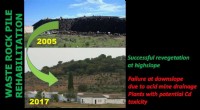
* Mining: Excavating land for minerals, oil, and gas, leaving behind scarred landscapes and pollution.
* Deforestation: Cutting down trees for timber, paper, and fuel, leading to habitat loss and soil erosion.
2. Infrastructure Development:
* Roads and highways: Fragmenting ecosystems, interrupting animal movement, and increasing pollution.
* Dams and reservoirs: Altering river flows, affecting water availability, and disrupting aquatic ecosystems.
* Power plants and factories: Generating pollution (air, water, and noise) and impacting surrounding environments.
3. Resource Extraction:
* Water: Overusing freshwater resources for agriculture, industry, and domestic needs, leading to water scarcity and depletion.
* Fossil fuels: Burning coal, oil, and natural gas for energy, contributing to climate change and air pollution.
* Minerals and ores: Mining for metals, gemstones, and other materials, leaving behind waste and impacting ecosystems.
4. Pollution and Waste:
* Air pollution: Burning fossil fuels, industrial emissions, and vehicle exhaust, leading to respiratory problems and climate change.
* Water pollution: Industrial discharges, agricultural runoff, and sewage dumping, contaminating water sources and harming aquatic life.
* Waste generation: Producing vast amounts of garbage and plastic, polluting landfills and ecosystems.
5. Climate Change:
* Greenhouse gas emissions: From burning fossil fuels and deforestation, trapping heat in the atmosphere and leading to rising temperatures, extreme weather, and sea level rise.
6. Introduction of Invasive Species:
* Accidental or intentional introductions: New species disrupt ecosystems, outcompete native species, and alter food webs.
Impact of Human Environments:
* Loss of biodiversity: Habitat destruction, pollution, and invasive species threaten the survival of countless plant and animal species.
* Climate change: Altered weather patterns, rising sea levels, and more frequent extreme weather events.
* Resource depletion: Depleting water sources, fossil fuels, and other natural resources, impacting future generations.
* Health issues: Air and water pollution contribute to respiratory problems, cardiovascular diseases, and other health issues.
* Social and economic disparities: Unequal access to resources, pollution, and climate change impacts, exacerbating existing inequalities.
Sustainable Solutions:
* Conservation efforts: Protecting natural habitats, reducing deforestation, and promoting sustainable agriculture.
* Renewable energy: Transitioning to solar, wind, and other renewable energy sources to reduce greenhouse gas emissions.
* Waste management: Recycling, composting, and reducing waste generation to minimize pollution and resource depletion.
* Green infrastructure: Incorporating nature-based solutions into urban design, such as green roofs, parks, and permeable pavements.
* Education and awareness: Raising public awareness about environmental issues and promoting sustainable practices.
By understanding the impacts of human activities on the natural environment, we can strive towards a more sustainable future where human and natural environments coexist in harmony.