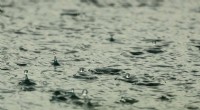
They are both fluids: This means they can flow and change shape easily. This is why wind can blow around objects and water can fill containers of different shapes.
They are both powerful forces: Wind can generate powerful storms and create waves, while water can erode landscapes and carry away sediment.
They both have a significant impact on the Earth: Wind drives weather patterns and influences climate, while water is essential for life and shapes the Earth's surface.
They both can be used to generate energy: Wind turbines harness wind power, while hydroelectric dams use the power of flowing water.
They both have a cycle: The water cycle describes the continuous movement of water on, above and below the surface of the Earth, while wind is driven by differences in air pressure and temperature, creating a cyclical pattern of movement.
They both are influenced by gravity: Wind is driven by differences in air pressure, which is influenced by gravity. Water flows downhill due to gravity.
They both can be destructive: Strong winds can cause damage to buildings and forests, while floods and storms can cause widespread devastation.
These are just some of the commonalities between wind and water. While they are very different in their physical properties, they both play crucial roles in shaping our planet and influencing our lives.