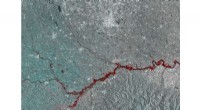
Landforms:
* Rolling Hills: The Piney Woods are characterized by gentle, rolling hills, created by ancient erosion and deposition processes.
* Sandhills: These areas of sandy soil, often associated with longleaf pine forests, are a prominent feature.
* Terraces: Along major rivers and streams, you can find terraces, indicating past floodplains.
* Swamps and Marshes: Low-lying areas often feature swamps and marshes, crucial habitats for diverse wildlife.
* Bayous: The region has numerous bayous, slow-moving waterways often lined with cypress trees.
Water Features:
* Rivers: Major rivers like the Mississippi, the Pearl, and the Tombigbee cut through the Piney Woods, providing important water sources and transportation routes.
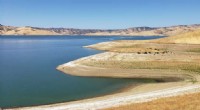
* Lakes: Natural and man-made lakes are scattered throughout the region, adding to its scenic beauty and recreational opportunities.
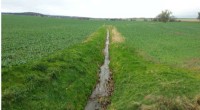
* Creeks and Streams: A dense network of creeks and streams crisscross the landscape, contributing to the region's biodiversity and water cycle.
* Springs: The Piney Woods are known for their numerous springs, often associated with the underlying limestone geology.
* Groundwater Aquifers: The region's porous sandy soils create vast underground aquifers, essential for water supply.
Other Notable Features:
* Longleaf Pine Forests: These iconic forests, once dominant, are characterized by towering longleaf pines and a rich understory.
* Sandstone Bluffs: In certain areas, you can find sandstone bluffs that offer panoramic views and contribute to the region's scenic appeal.
The Piney Woods' diverse landforms and water features create a unique and beautiful landscape, supporting a rich variety of plant and animal life. Understanding these features is crucial for appreciating the region's ecological significance and for its responsible management and conservation.