Terrestrial:
* Forests: From the forest floor to the canopy, arthropods are everywhere. Think ants, spiders, beetles, and even millipedes.
* Grasslands: Grasshoppers, crickets, and various types of beetles thrive in grasslands.
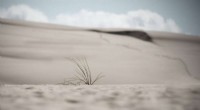
* Deserts: Scorpions, spiders, and some beetles are adapted to survive the harsh conditions of deserts.
* Mountains: Arthropods can be found at high altitudes, with some species even living in the snow!
* Caves: Some arthropods, like cave crickets and cave spiders, are adapted to living in dark, damp caves.
Aquatic:
* Oceans: Crustaceans like crabs, lobsters, and barnacles are abundant in oceans.
* Freshwater: Arthropods like crayfish, dragonflies, and water striders live in lakes, rivers, and ponds.
Other:
* Soil: Many arthropods, like mites and springtails, live in the soil, playing important roles in decomposition.
* On other animals: Parasites like ticks, fleas, and lice live on other animals.
Key Adaptations:
The incredible diversity of arthropod habitats is due to their remarkable adaptations:
* Exoskeletons: Their hard outer shells protect them and allow them to live in various environments.
* Jointed Legs: These allow for movement in diverse terrain.
* Wings: Allow flight and access to new environments.
* Diverse Feeding Habits: From herbivores to carnivores, they can exploit different food sources.
So, while some arthropods may prefer a specific type of environment, the sheer variety of their habitats showcases their adaptability and ability to thrive in almost any corner of the planet.