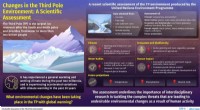
* Holistic: It focuses on understanding the Earth as a complex, interconnected system. This means looking at how different parts of the planet – the atmosphere, oceans, land, ice, and life – interact and influence each other.
* Interdisciplinary: Earth system science draws upon knowledge from various disciplines, including:
* Geology: The study of Earth's physical structure, composition, and history.
* Meteorology: The study of the atmosphere and weather.
* Oceanography: The study of the oceans, including their physical, chemical, and biological properties.
* Biology: The study of living organisms and their interactions with the environment.
* Chemistry: The study of the composition and properties of matter.
* Physics: The study of matter and energy and their interactions.
* Computer science: The use of computer models to simulate and understand complex Earth systems.
Key aspects of studying Earth system science include:
* Understanding Earth's history: Examining how the Earth has changed over time, including past climate changes, geological events, and evolution of life.
* Analyzing Earth's current state: Studying current processes and interactions within the Earth system, such as weather patterns, ocean currents, and the carbon cycle.
* Predicting future changes: Using models and data to project how the Earth system might change in the future, particularly in response to human activities like climate change.
* Developing solutions for global challenges: Finding ways to mitigate and adapt to environmental changes, such as climate change, pollution, and resource depletion.
In short, Earth system science is about understanding how our planet works as a whole, recognizing the interconnectedness of its various parts, and using that understanding to address the challenges facing humanity.