Environmental Factors Influencing Farming:
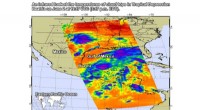
* Climate: Temperature, rainfall, sunlight, and humidity directly impact crop growth and development. Different crops thrive in specific climatic conditions.
* Soil: Soil quality, including composition, fertility, and drainage, determines nutrient availability for crops and affects their growth and yield.
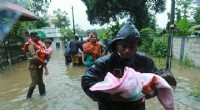
* Water: Water availability and irrigation methods are essential for crop survival and productivity. Droughts and water scarcity pose significant challenges to farming.
* Pests and Diseases: The environment influences the presence and spread of pests and diseases that can damage crops.
* Air Quality: Air pollutants can negatively affect plant growth and development.
* Biodiversity: A diverse ecosystem helps control pests and diseases, improves soil fertility, and promotes pollination.
How Farming Impacts the Environment:
* Land Use Changes: Clearing forests and converting land for agriculture can lead to habitat loss, soil erosion, and biodiversity decline.
* Water Consumption: Agriculture is a major user of water, which can lead to water depletion and pollution.
* Pollution: Pesticide and fertilizer use can contaminate water sources, harm wildlife, and contribute to air pollution.
* Climate Change: Agriculture contributes to greenhouse gas emissions through deforestation, livestock farming, and fertilizer production.
* Soil Degradation: Intensive farming practices can deplete soil nutrients, increase soil erosion, and lead to soil compaction.
Sustainable Farming Practices:
* Conservation Agriculture: Techniques like no-till farming, crop rotation, and cover cropping help protect soil health, conserve water, and reduce erosion.
* Integrated Pest Management (IPM): Using a combination of methods to control pests while minimizing pesticide use.
* Organic Farming: Emphasizes natural methods for soil fertility, pest control, and crop production, minimizing environmental impact.
* Precision Agriculture: Using technology to optimize resource use and minimize environmental damage.
Conclusion:
The environment and farming are inextricably linked. Understanding this relationship is essential for sustainable agriculture practices that ensure food security while minimizing environmental damage. By adopting sustainable farming methods, we can preserve the environment for future generations and ensure the health of our planet.