Natural Causes:
* Climate Change: Shifting weather patterns, temperature increases, and changes in precipitation can alter habitats significantly. This can lead to drought, desertification, increased wildfires, sea level rise, and changes in plant and animal communities.
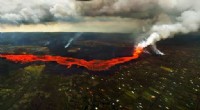
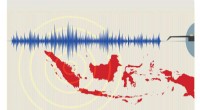
* Natural Disasters: Events like volcanic eruptions, earthquakes, floods, and wildfires can dramatically reshape landscapes and wipe out existing habitats, creating opportunities for new ones to develop.
* Succession: The natural process of change in an ecosystem over time. Habitats aren't static – they undergo gradual transformations as species interact and modify their environment.
* Species Interactions: Competition for resources, predation, and disease can impact the distribution and abundance of species, leading to shifts in habitat structure and function.
Human-Caused Changes:
* Habitat Loss and Fragmentation: Deforestation, urbanization, and agricultural expansion are major drivers of habitat destruction. The remaining habitat is often fragmented, making it more difficult for species to survive and move.
* Pollution: Air, water, and soil pollution can negatively impact habitats. This can contaminate food sources, harm organisms, and disrupt natural processes.
* Invasive Species: The introduction of non-native species can disrupt ecosystems, outcompete native species, and lead to significant changes in habitats.
* Climate Change: Human activities contribute to climate change, exacerbating the natural impacts mentioned earlier. This includes increased greenhouse gas emissions, leading to warming temperatures, altered precipitation patterns, and rising sea levels.
* Overexploitation: Overfishing, poaching, and unsustainable harvesting of resources can deplete populations and disrupt ecological balance.
* Land Use Change: Transforming land for agriculture, mining, or development can directly destroy habitats and change the surrounding environment.
Consequences of Habitat Change:
* Loss of Biodiversity: Habitat loss and degradation are the leading drivers of species extinction. Many species are adapted to specific habitats and cannot survive when those habitats are destroyed.
* Ecosystem Disruption: Changes in habitats can disrupt the delicate balance of ecosystems, leading to cascading effects on food webs, nutrient cycling, and other vital processes.
* Economic Impacts: Healthy ecosystems provide numerous benefits, including clean air and water, pollination, and flood control. Habitat loss can have significant economic consequences.
It's important to understand the complex interplay of factors that drive habitat change to develop effective strategies for conservation and sustainable management.