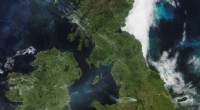
* The Earth system is interconnected: Everything is connected - the atmosphere, oceans, land, ice, and life. Our actions ripple through this system.
* We are part of the Earth system: Humans are not separate from the Earth but a part of it. Our activities are inherently part of the system's processes.
* Even small actions have cumulative effects: While one person driving a car might seem insignificant, billions of people doing so every day creates a massive impact on air pollution and climate change.
Here are some examples of how seemingly small human activities affect the Earth system:
* Using electricity: Generating electricity often relies on burning fossil fuels, releasing greenhouse gases into the atmosphere.
* Eating food: Agriculture involves land clearing, deforestation, fertilizer use, and livestock production, all of which have environmental impacts.
* Using water: Our water usage affects water tables, river flows, and even ocean salinity.
* Throwing away trash: Waste ends up in landfills, pollutes oceans, and releases harmful chemicals into the environment.
Conclusion: There is no human activity that exists in isolation. Every action, no matter how small, has a ripple effect on the Earth system. It's important to understand these connections and strive for more sustainable practices to minimize our impact.