* Climate: The South experiences a subtropical climate with hot, humid summers and mild winters. This climate supports a wide variety of plant life.
* Soil: Southern soils vary, but many are fertile and well-drained, allowing for the growth of both deciduous forests and evergreen forests, as well as grasslands, wetlands, and coastal ecosystems.
Specific examples of vegetation adapted to the Southern climate and soil include:
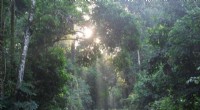
* Deciduous forests: Oak, hickory, maple, and beech trees dominate these forests, losing their leaves in the fall.
* Evergreen forests: Pine, cypress, and magnolia trees are common, keeping their leaves year-round.
* Grasslands: Grasses such as bluestem and switchgrass thrive in drier areas.
* Wetlands: Cypress swamps, bottomland hardwoods, and marshes provide habitats for a wide range of plants and animals.
* Coastal ecosystems: Salt marshes, seagrasses, and mangroves are adapted to salty water and coastal conditions.
In summary, the South's climate and soil have fostered a rich and varied plant life that contributes to the region's unique beauty and ecological importance.