1. Harsh Climate:
* Low temperatures: The Arctic is extremely cold, and plants struggle to survive in frozen soil. By staying close to the ground, they can access the little warmth that is available.
* Short growing season: The Arctic only has a short summer, allowing for a limited growing period. Staying low to the ground helps plants maximize the amount of sunlight they receive.
* Strong winds: The Arctic experiences strong winds, which can be damaging to tall plants. Being close to the ground offers some protection.
2. Permafrost:
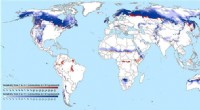
* Frozen soil: The permafrost layer, permanently frozen ground, is found in the Arctic. This makes it difficult for roots to penetrate and access water and nutrients. Shallow roots are better suited to this environment.
3. Adaptation:
* Evolutionary advantage: Plants that grow close to the ground have a competitive advantage in the Arctic. They can access more resources (sunlight, warmth, moisture) and are less susceptible to harsh weather conditions.
4. Other Factors:
* Lack of sunlight: The Arctic experiences periods of prolonged darkness, making it difficult for plants to photosynthesize effectively. Being low to the ground helps them catch any available sunlight.
* Nutrient deficiency: The soil in the Arctic is often nutrient-poor. Small plants with shallow roots can utilize the limited nutrients available more efficiently.
In summary, the low-growing habit of Arctic plants is a survival strategy that has evolved to cope with the harsh climate, limited resources, and unique environmental conditions of the Arctic region.