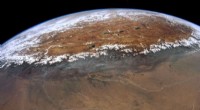
* Landforms: Mountains, hills, valleys, plains, plateaus, canyons, mesas, dunes, etc.
* Vegetation: Forests, grasslands, deserts, wetlands, tundra, etc.
* Water bodies: Rivers, lakes, oceans, seas, waterfalls, etc.
* Human-made structures: Buildings, roads, bridges, dams, etc.
* Climate: Temperature, rainfall, wind patterns, etc.
* Weather: Storms, sunshine, clouds, etc.
* Animals: Birds, mammals, reptiles, amphibians, insects, etc.
* Geologic formations: Rock layers, faults, folds, intrusions, etc.
* Minerals: Coal, oil, natural gas, gold, diamonds, etc.
* Groundwater: Aquifers, wells, springs, etc.
* Soil: Layers of organic matter, minerals, and rock fragments.
* Cave systems: Stalactites, stalagmites, underground rivers, etc.
* Underground infrastructure: Tunnels, sewers, pipelines, etc.
* Microorganisms: Bacteria, fungi, etc.
This is just a starting point, and there are many more specific examples within each category. It is important to remember that both aboveground and belowground features are interconnected and interact with each other in complex ways.