1. Climate Change:
* Understanding its impacts: Rising global temperatures, sea level rise, extreme weather events, ocean acidification, and changing ecosystems.
* Predicting future changes: Developing accurate models to forecast future climate scenarios.
* Mitigation and adaptation: Finding solutions to reduce greenhouse gas emissions and adapt to the inevitable changes.
2. Natural Hazards:
* Earthquakes, tsunamis, volcanic eruptions, landslides: Developing early warning systems, improving disaster preparedness, and mitigating risks.
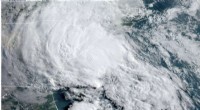
* Floods, droughts, wildfires: Understanding the causes and predicting occurrences, implementing sustainable land management practices.
3. Resource Management:
* Water scarcity: Managing water resources sustainably and finding new sources.
* Energy resources: Exploring renewable energy sources and developing technologies for efficient energy use.
* Mineral resources: Finding sustainable ways to extract and utilize mineral resources.
4. Environmental Pollution:
* Air, water, and soil pollution: Identifying sources and reducing pollutants, developing remediation strategies.
* Waste management: Finding sustainable solutions for waste disposal and recycling.
5. Biodiversity Loss:
* Habitat destruction, climate change, invasive species: Understanding the causes and implementing conservation strategies.
* Protecting ecosystems: Maintaining healthy ecosystems for the benefit of humans and wildlife.
6. Space Weather:
* Solar flares, coronal mass ejections: Understanding the effects on Earth and developing mitigation strategies for infrastructure and communication systems.
7. Geoengineering:
* Developing new technologies to intentionally modify the Earth's climate: Assessing the potential benefits and risks of such interventions.
8. Understanding Earth's Past:
* Paleoclimatology: Studying past climate changes to better understand present and future trends.
* Geochronology: Dating rocks and fossils to reconstruct the history of Earth and life.
9. Planetary Science:
* Studying other planets and moons: Exploring the origins and evolution of the solar system, seeking signs of life beyond Earth.
10. Technological Advancements:
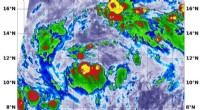
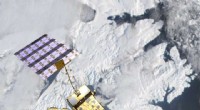
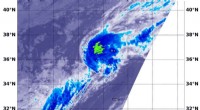
* Remote sensing, GIS, computational modeling: Developing new tools and techniques to collect and analyze data, solve complex problems, and make predictions.
These are just some of the many challenges Earth scientists are tackling. By understanding our planet and its processes, we can develop sustainable solutions for a healthy and prosperous future.