Biotic Factors (Living)
1. Plants: The primary producers of the ecosystem, providing food and shelter for other organisms. Examples include flowers, vegetables, herbs, trees, shrubs, and grasses.
2. Insects: A diverse group including pollinators like bees and butterflies, herbivores like aphids and caterpillars, and predators like ladybugs and lacewings.
3. Birds: Can be predators, scavengers, or pollinators. They also help control insect populations.
4. Worms: Essential for soil health, breaking down organic matter and aerating the soil.
5. Microorganisms: Bacteria, fungi, and protozoa play crucial roles in decomposition and nutrient cycling.
Abiotic Factors (Non-living)
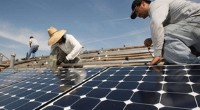
1. Sunlight: Provides energy for photosynthesis and influences plant growth.
2. Temperature: Affects plant growth and the activity of organisms.
3. Water: Essential for all living things, influencing plant growth and soil conditions.
4. Soil: Provides nutrients and support for plants, and influences the types of organisms that can live there.
5. Air: Provides oxygen for respiration and influences the amount of carbon dioxide available for photosynthesis.