Here's a breakdown:
* Watershed: An area of land where all the water that falls on it drains to a common point, such as a river, lake, or ocean.
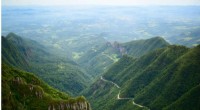
* Divide: A line of high ground, such as a ridge, mountain range, or hill, that separates watersheds. Water flowing on one side of the divide will flow to one watershed, while water flowing on the other side will flow to a different watershed.
Here are some examples of divides:
* Continental Divide: A major divide that separates the watersheds that drain into the Atlantic Ocean from those that drain into the Pacific Ocean.
* Mountain Ranges: Often form divides, with water flowing down different sides to different river systems.
* Ridges: Higher points of land that separate smaller watersheds.
Understanding divides is important for:
* Water resource management: Knowing where divides are located helps manage water resources in a sustainable way.
* Flood control: Understanding how water flows through watersheds and across divides can help prevent flooding.
* Environmental protection: Protecting watersheds and divides helps protect water quality and biodiversity.