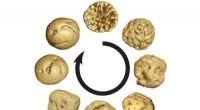
* Amber Formation: Amber is fossilized tree resin. It forms when sticky resin, often from coniferous trees, drips down and traps insects, plants, or other small organisms. Over millions of years, the resin hardens and fossilizes into amber. This process occurs in specific environments, usually forests with abundant resin-producing trees.
* Volcanic Environments: Volcanic environments are characterized by high temperatures, molten rock, and often acidic conditions. These conditions are generally not conducive to preserving delicate plant material or resin. The intense heat and acidic environments would likely destroy any organic material.
* Exceptions: While rare, there are exceptions. It's possible to find amber deposits in areas with volcanic activity. However, in these cases, the amber likely formed before the volcanic activity occurred, or the volcanic activity was less intense and destructive.
In summary: Amber formation and volcanic environments are typically incompatible. While rare exceptions exist, it's more common to find amber in fossilized forests or sedimentary rock formations.