Here's why:
* Thin: Compared to Earth's diameter, the atmosphere is incredibly thin, extending only a few hundred kilometers from the surface.
* Gaseous: The atmosphere is composed primarily of nitrogen (78%) and oxygen (21%), along with trace amounts of other gases like carbon dioxide, argon, and water vapor.
* Protection: The atmosphere filters harmful radiation from the sun, regulates temperature, and provides the oxygen we breathe.
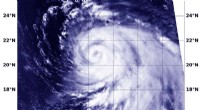
* Weather: The atmosphere is responsible for weather patterns, driven by temperature differences, air pressure, and moisture.
Here are some other important points about the atmosphere:
* It is divided into layers based on temperature and altitude: troposphere, stratosphere, mesosphere, thermosphere, and exosphere.
* Its composition and density change with altitude.
* It is essential for life on Earth.
Overall, the atmosphere is a complex and dynamic system that plays a crucial role in shaping our planet and sustaining life.