Where our water comes from:
* The Water Cycle: This is the big picture.
* Evaporation: The sun heats up water in oceans, lakes, and rivers, turning it into vapor and sending it into the atmosphere.
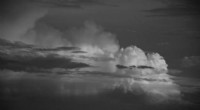
* Condensation: As this vapor rises, it cools and condenses into clouds.
* Precipitation: When the clouds get full, the water falls back to earth as rain, snow, sleet, or hail.
* Surface Water: Water that's on the surface of the Earth.
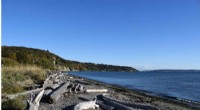
* Rivers and Lakes: This is the water we often see, and it's often collected for drinking water.
* Oceans: These hold the vast majority of the Earth's water, but it's salty and not directly drinkable.
* Groundwater: Water stored underground in porous rock formations. We often tap into this through wells.
* Other Sources:
* Ice and Glaciers: Frozen water, which can melt and become part of the water cycle.
* Atmosphere: Even the air has a small amount of water vapor.
Where our water goes:
* Back to the Water Cycle: Most of the water we use eventually returns to the water cycle.
* Evaporation: Water evaporates from our bodies, plants, and even our homes.
* Runoff: Water flows over the ground, carrying it back to rivers, lakes, and oceans.
* Seepage: Water soaks into the ground and becomes groundwater.
* Used by Humans: We use water for drinking, cleaning, agriculture, and industry.
* Lost to the Environment:
* Transpiration: Plants absorb water and release it into the air.
* Infiltration: Water soaks into the ground, sometimes so deep it's inaccessible.
Important Notes:
* Water is a finite resource: We only have a certain amount of water on Earth.
* Water pollution: Human activities can pollute water sources, making them unusable or harmful.
* Conservation: It's essential to conserve water to ensure there is enough for everyone and to protect our planet.
Let me know if you have any other questions!