Leaf Litter:
* Initial Breakdown: Leaf litter is the first stage of decomposition. It provides a habitat for microorganisms and invertebrates like earthworms, which break down the leaves into smaller particles.
* Nutrients: Leaf litter is rich in carbon and other essential nutrients like nitrogen, phosphorus, and potassium. As it breaks down, these nutrients are released into the soil.
* Soil Structure: Leaf litter helps to improve soil structure by adding organic matter, which increases aeration and water retention.
Soil:
* Mineral Content: Soil contains a wide variety of minerals that are essential for plant growth. These minerals come from weathered rock and the decomposition of organic matter.
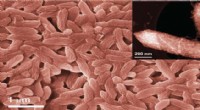
* Microorganisms: Soil is teeming with microorganisms, such as bacteria and fungi, which are vital for breaking down organic matter and making nutrients available to plants.
* Water and Nutrient Retention: Soil acts as a sponge, holding water and nutrients for plant use.
Conclusion:
* Interdependence: Leaf litter and soil are inextricably linked. Leaf litter provides the initial organic matter that feeds the soil, while soil provides the minerals and microorganisms needed to break down the leaf litter further.
* Dynamic Balance: Both leaf litter and soil are constantly changing and evolving as they interact with each other and the surrounding environment.
* Overall Importance: Both leaf litter and soil play crucial roles in supporting plant and animal life.
So, it's not about which one is "better" - they are both essential for a healthy and productive ecosystem!