1. Convective Storms:
* Most common: These are caused by the rapid heating of humid air, leading to powerful updrafts.
* Characteristics:
* Sudden onset, with heavy rain, lightning, and strong winds.
* Relatively short duration, usually lasting less than an hour.
* Can be very localized, affecting only a small area.
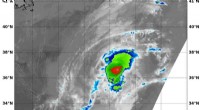
2. Tropical Cyclones (Hurricanes, Typhoons):
* Less frequent, but devastating: These large-scale storms form over warm ocean waters and can cause widespread damage.
* Characteristics:
* Strong winds (over 74 mph), heavy rain, and storm surges.
* Can last for several days and impact a wide area.
* Primarily occur during specific seasons in different parts of the world.
3. Monsoon Storms:
* Seasonal: These are associated with the shift in wind patterns during the monsoon season.
* Characteristics:
* Heavy rain, sometimes lasting for weeks.
* Can be beneficial for the rainforest ecosystem, providing much-needed moisture.
4. Thunderstorms:
* Similar to convective storms: Characterized by lightning, thunder, heavy rain, and strong winds.
* Can be more intense: Thunderstorms in rainforests are often more powerful than those in other climates due to the humid conditions.
Factors influencing rainforest storms:
* High temperatures: Heat from the sun creates warm, moist air, fueling storm development.
* Abundant moisture: Rainforests have high levels of humidity, providing the fuel for heavy rain.
* Uneven heating: Differences in temperature between the rainforest floor and the canopy can create strong updrafts.
* Wind patterns: Trade winds and monsoon winds can influence storm formation and movement.
It's important to note that the specific types and frequency of storms can vary greatly depending on the location of the rainforest.