1. Latitude:
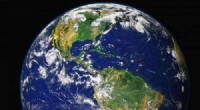
* Solar Insolation: The angle at which the sun's rays hit the Earth's surface, determined by latitude, directly affects the amount of solar energy received. Lower latitudes receive more direct sunlight and are generally warmer than higher latitudes.
2. Altitude:
* Temperature: As altitude increases, temperature decreases. This is due to the thinning of the atmosphere and the reduced insulation from the ground.
3. Proximity to Water:
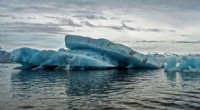
* Moderating Effect: Large bodies of water like oceans and seas moderate temperatures. Water has a high specific heat capacity, meaning it takes a lot of energy to change its temperature. This results in cooler summers and warmer winters near large water bodies.
4. Ocean Currents:
* Heat Transfer: Ocean currents distribute heat around the globe. Warm currents bring warmer temperatures to higher latitudes, while cold currents bring colder temperatures to lower latitudes.
5. Atmospheric Circulation:
* Global Wind Patterns: Global wind patterns, driven by uneven heating of the Earth, distribute moisture and influence precipitation patterns.
6. Topography:
* Mountains: Mountains can create rain shadows, where one side of the mountain receives more precipitation than the other.
* Valleys: Valleys can trap cold air in the winter and warm air in the summer, influencing local climates.
7. Vegetation:
* Albedo: The reflectivity of surfaces, including vegetation, affects the amount of solar energy absorbed by the Earth. Darker surfaces absorb more energy, while lighter surfaces reflect more.
8. Human Activities:
* Greenhouse Gases: Human activities, such as burning fossil fuels, release greenhouse gases into the atmosphere, contributing to climate change and altering global temperature patterns.
* Land Use Changes: Deforestation and urbanization alter the balance of energy and moisture in the atmosphere, influencing local climates.
So, while a single factor like latitude plays a crucial role, it is the interaction of all these factors that ultimately shapes the climate of a specific region.