Habitat disturbance refers to any change in the physical or biological environment that disrupts the normal functioning of an ecosystem. This disruption can be natural (e.g., wildfires, volcanic eruptions, floods) or anthropogenic (human-caused, e.g., deforestation, pollution, urbanization).
Here's a breakdown of what it entails:
Causes:
* Natural Disturbances:
* Wildfires: While destructive, they can also be beneficial for some ecosystems, clearing out undergrowth and promoting regeneration.
* Floods: Can alter river channels, deposit nutrients, and reshape landscapes.
* Volcanic Eruptions: Release ash and lava that can create new land and modify existing ecosystems.
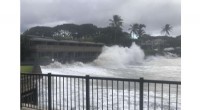
* Hurricanes: Cause extensive damage but also bring in fresh nutrients and reshape coastal areas.
* Anthropogenic Disturbances:
* Deforestation: Clearing forests for agriculture, logging, and development destroys habitats and disrupts ecosystem processes.
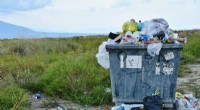
* Pollution: Air, water, and soil pollution can poison organisms and alter food webs.
* Climate Change: Altering weather patterns, sea levels, and temperatures impacts ecosystems, leading to habitat loss and species decline.
* Urbanization: Building cities and infrastructure fragments habitats, reduces biodiversity, and alters natural processes.
* Agriculture: Intensive farming practices can deplete soil nutrients, increase water pollution, and fragment habitats.
Effects:
* Loss of Biodiversity: Habitat disturbance often leads to the decline or extinction of species due to loss of food, shelter, and breeding grounds.
* Alteration of Ecosystem Processes: Disturbances can change nutrient cycles, water flow, and energy flow, disrupting the balance of the ecosystem.
* Increased Vulnerability: Disturbed habitats are more susceptible to invasive species, diseases, and other threats.
* Loss of Ecosystem Services: Disturbances can reduce the benefits humans derive from ecosystems, such as clean water, air, and pollination.
Important Considerations:
* Magnitude and Intensity: The severity of the disturbance affects its impact on the ecosystem.
* Frequency: Repeated disturbances can have cumulative effects, leading to irreversible changes.
* Resilience: The ability of an ecosystem to recover from disturbance varies based on factors like species diversity, habitat size, and connectivity.
Management:
* Conservation Efforts: Protecting habitats from further disturbance is crucial.
* Restoration Projects: Remediating damaged areas and restoring ecosystem function.
* Sustainable Practices: Implementing practices that minimize human impacts on the environment.
Understanding habitat disturbance is essential for preserving biodiversity and ensuring the continued functioning of ecosystems. By understanding its causes, effects, and potential solutions, we can work towards a future where human activities are in harmony with nature.