Impact on Physical Environment:
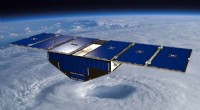
* Climate Change: Human activities, primarily the burning of fossil fuels, are the primary driver of climate change. This leads to rising temperatures, altered precipitation patterns, more extreme weather events, and rising sea levels.
* Pollution: Air, water, and soil pollution from industrial processes, agriculture, and transportation have widespread negative effects on ecosystems and human health.
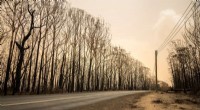
* Deforestation: Clearing forests for agriculture, logging, and urbanization destroys habitats, disrupts ecosystems, and contributes to climate change.
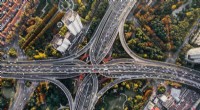
* Land Use Changes: Urban sprawl, agriculture, and infrastructure development alter the landscape, fragmenting habitats and changing natural processes.
Impact on Biotic Communities:
* Biodiversity Loss: Habitat destruction, pollution, invasive species, and climate change are driving species extinction at an unprecedented rate.
* Ecosystem Disruption: Changes in species composition and abundance can lead to cascading effects within ecosystems, impacting food webs, disease dynamics, and overall ecosystem function.
* Spread of Invasive Species: Human activities have facilitated the introduction of non-native species, which can outcompete native species, disrupt ecosystems, and cause economic damage.
* Disease Emergence: Human activities, such as deforestation, agricultural practices, and urbanization, can create conditions that favor the emergence of zoonotic diseases.
Interconnectedness:
It's important to note that the impact on the physical environment often directly impacts the biotic communities:
* Climate Change: Altered temperatures and precipitation patterns can shift species ranges, disrupt breeding cycles, and lead to ecosystem collapse.
* Pollution: Toxic substances can accumulate in food webs, harming organisms at all levels.
* Deforestation: Loss of habitat directly impacts species survival and can lead to extinction.
Conclusion:
While both the physical environment and biotic communities are impacted by human activities, it's impossible to say which has the "greater" effect. They are intertwined and influence each other. However, the scale and magnitude of human impacts are undeniable and threaten the stability and future of our planet.
Ultimately, it's crucial to acknowledge the interconnectedness of these systems and strive for sustainable practices that minimize our impact on both the physical environment and the biotic communities we depend on.