1. Natural Processes are Intact:
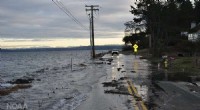
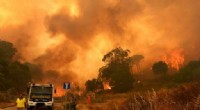
* Natural Disturbances: The forest experiences natural disturbances like fire, windstorms, and insect outbreaks at appropriate intervals. These events help maintain healthy forest ecosystems by clearing out old growth and creating space for new trees and diverse plant life.
* Nutrient Cycling: Natural processes like decomposition and nutrient cycling are functioning effectively. This ensures the forest soil remains fertile and supports healthy plant growth.
2. Human Activities are Managed Carefully:
* Sustainable Harvesting: If timber is harvested, it is done in a way that minimizes damage to the forest and allows for regeneration. This often involves selective logging, where only mature trees are removed, leaving younger trees to grow.
* Conservation Efforts: The forest is protected from activities that could harm its long-term health, such as excessive development, pollution, and invasive species.
* Biodiversity Preservation: The forest's diverse array of plants, animals, fungi, and microorganisms is protected and allowed to thrive.
3. Resilience to Change:
* Climate Change Adaptation: The forest is able to adapt to changing climate conditions, such as shifts in precipitation patterns or warmer temperatures. This could involve planting species that are more resistant to drought or heat.
* Genetic Diversity: The forest has a diverse genetic pool, which helps it to resist diseases and adapt to changing environments.
Example:
A sustainably managed forest might involve:
* Setting aside areas for old-growth forests to remain undisturbed.
* Implementing rotational logging practices where only certain areas are harvested at a time, allowing others to regenerate.
* Protecting wildlife habitat and water resources.
* Monitoring the forest's health and taking steps to address any threats.
In contrast, unsustainable practices would include:
* Clear-cutting large swaths of forest, leading to soil erosion and habitat loss.
* Introducing invasive species that disrupt the natural balance.
* Allowing pollution from nearby industries to damage the forest ecosystem.
By carefully considering the natural processes and human impacts, we can create and maintain forests that will be healthy and productive for generations to come.