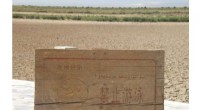
* Temperature Fluctuations: Arid and semi-arid regions experience extreme temperature swings between day and night. This causes rocks to expand and contract, eventually leading to fracturing and breaking.
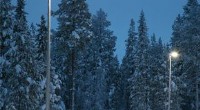
* Freeze-Thaw Cycles: While less common in deserts, some high-altitude arid regions experience freeze-thaw cycles, where water seeps into cracks and freezes, expanding and putting pressure on the rock.
* Lack of Vegetation: Sparse vegetation in these areas provides minimal protection from the harsh elements.
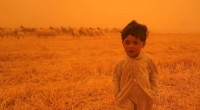
* Wind Erosion: Strong winds in arid areas can abrade rock surfaces and carry away loose particles, further contributing to physical weathering.
Other factors that can enhance physical weathering:
* Altitude: Higher altitudes often experience greater temperature fluctuations and freeze-thaw cycles.
* Presence of rock types susceptible to physical weathering: Rocks like granite and sandstone are prone to fracturing due to temperature changes.
Important Note: While physical weathering is dominant in arid and semi-arid regions, other types of weathering, like chemical weathering, also occur to some extent.