Environmental Impacts:
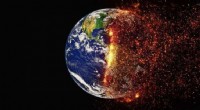
* Climate Change: Trees absorb carbon dioxide, a major greenhouse gas. Without them, CO2 levels would skyrocket, accelerating global warming and leading to extreme weather events, rising sea levels, and melting glaciers.
* Loss of Oxygen: Trees produce oxygen through photosynthesis. Without them, oxygen levels would plummet, making it impossible for humans and most animals to breathe.
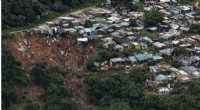
* Soil Erosion: Tree roots hold the soil together, preventing erosion. Without them, topsoil would wash away, leading to desertification and loss of arable land.
* Water Cycle Disruption: Trees release water vapor into the atmosphere, contributing to rainfall. Without them, rainfall patterns would be disrupted, leading to droughts and floods.
* Loss of Biodiversity: Forests are home to countless species of plants, animals, and microorganisms. Their destruction would lead to massive biodiversity loss, disrupting ecosystems and food webs.
Human Impacts:
* Food Shortages: Trees provide fruits, nuts, and other food sources. Without them, food production would be severely impacted.
* Lack of Timber and Other Resources: Trees provide wood for construction, furniture, and other products. Their absence would lead to resource scarcity and reliance on unsustainable alternatives.
* Economic Disruptions: Industries reliant on forestry, such as paper and furniture, would collapse, leading to job losses and economic hardship.
* Increased Pollution: Trees filter pollutants from the air and water. Without them, air and water pollution would increase, affecting human health.
* Social and Psychological Impacts: Trees provide shade, aesthetic beauty, and recreational opportunities. Their absence would have significant negative impacts on human well-being and mental health.
Conclusion:
A world without trees would be a desolate and uninhabitable place. The consequences would be devastating for humans, animals, and the planet as a whole. It is crucial to protect and preserve our forests for future generations.