Here's the breakdown:
* The most common list of Earth Science branches:
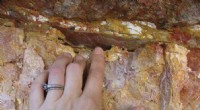
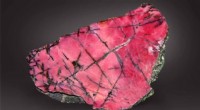
* Geology: Study of the Earth's solid, non-living components (rocks, minerals, landforms)
* Oceanography: Study of the oceans (currents, tides, marine life)
* Meteorology: Study of the atmosphere and weather
* Astronomy: Study of celestial objects and the universe (though some consider it separate from Earth Science)
So, to be tricky:
* Biology: While some aspects of biology relate to the Earth, like ecology, it's primarily focused on living organisms, not the Earth itself.
* Chemistry: A fundamental science, chemistry is used in ALL Earth Science fields, but it's not an Earth Science itself.
Let me know if you have a specific list of choices to choose from, and I can help you identify the outlier!