Health and Wellbeing:
* Medicine and Treatments: Scientific discoveries have revolutionized healthcare, leading to life-saving vaccines, antibiotics, and treatments for countless diseases.
* Improved Lifespan and Quality of Life: Advances in sanitation, hygiene, and nutrition have dramatically increased lifespans and improved overall quality of life.
* Medical Technologies: From imaging techniques like MRI and CT scans to minimally invasive surgeries, science provides tools for diagnosis and treatment that were unimaginable just a few decades ago.
Sustainability and the Environment:
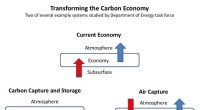
* Understanding Climate Change: Science has helped us understand the causes and effects of climate change, enabling us to develop strategies for mitigating its impact.
* Renewable Energy: Science drives the development of renewable energy sources like solar, wind, and hydro power, reducing our reliance on fossil fuels and their harmful emissions.
* Sustainable Agriculture: Research in agriculture has led to more efficient farming practices and disease-resistant crops, boosting food production and reducing environmental impact.
Technology and Innovation:
* Communication and Information: Science has given us the internet, mobile phones, and countless other technologies that connect us globally and provide instant access to information.
* Transportation: From cars to airplanes to space exploration, science drives advancements in transportation, making travel faster, safer, and more efficient.
* Computing and Automation: Science fuels the development of computers, artificial intelligence, and automation, transforming industries and creating new possibilities.
Education and Understanding:
* Scientific Literacy: Science education empowers individuals with critical thinking skills, enabling them to make informed decisions about their health, environment, and society.
* Curiosity and Wonder: Scientific exploration fuels curiosity and wonder, inspiring future generations to pursue knowledge and innovation.
* Global Collaboration: Science is a global endeavor, fostering collaboration and understanding across cultures and borders.
Challenges and Responsibilities:
While science offers incredible potential, it also comes with responsibilities:
* Ethical Considerations: Science must be guided by ethical principles to ensure that its advancements are used for good.
* Responsible Use: The applications of scientific knowledge need careful consideration to prevent potential harm.
* Addressing Inequality: Science should be accessible to all, promoting equity and addressing disparities in access to its benefits.
In conclusion, science plays a crucial role in improving the world by addressing critical challenges, driving innovation, and enhancing our understanding of the universe. Its continuous progress holds immense potential for a brighter future, but it is essential to use it responsibly and ethically to ensure that its benefits are shared by all.