1. Climate:
* Temperature: Different organisms thrive in different temperature ranges. Extreme temperatures can limit the types of plants and animals that can survive in an area.
* Precipitation: The amount and type of precipitation (rain, snow, etc.) directly impacts the availability of water, which is essential for all life.
* Sunlight: Sunlight provides energy for photosynthesis, the process by which plants produce their own food. The amount of sunlight reaching an area can influence the types of plants that grow there.
* Wind: Wind can influence temperature, precipitation, and even the shape of trees. It can also disperse seeds and pollens, affecting plant distribution.
2. Soil:
* Composition: The type of soil (sand, clay, loam) affects the ability of plants to grow and access nutrients.
* Nutrient content: Soil contains essential nutrients like nitrogen, phosphorus, and potassium, which are crucial for plant growth.
* pH: The acidity or alkalinity of soil can affect the availability of nutrients and the types of organisms that can live in it.
3. Water:
* Availability: The amount of water available in an ecosystem affects the types of plants and animals that can survive there.
* Quality: The purity and chemical composition of water (salinity, pollutants) can impact the health of organisms.
4. Topography:
* Elevation: Higher elevations tend to be colder and have less oxygen, which can limit the types of organisms that can live there.
* Slope: The steepness of a slope affects water drainage, erosion, and the types of plants that can grow there.
5. Natural disasters:
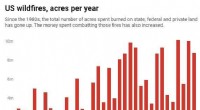
* Fire: Fires can clear out vegetation, but can also create opportunities for new growth.
* Floods: Floods can deposit sediment and nutrients, but can also destroy habitats.
* Droughts: Droughts can lead to water scarcity and stress on organisms.
6. Human impact:
* Pollution: Pollution from air, water, and land can harm organisms and disrupt ecosystem function.
* Climate change: Human activities are causing global warming, which is altering weather patterns and impacting ecosystems worldwide.
* Deforestation: The removal of forests can lead to soil erosion, habitat loss, and changes in the water cycle.
These abiotic factors interact with each other in complex ways, influencing the distribution, abundance, and interactions of living organisms within an ecosystem. Understanding these factors is essential for managing and conserving ecosystems.