Here's a breakdown of the key components and how they interact:
Living organisms:
* Producers: Plants, algae, and some bacteria capture sunlight and use it to create energy through photosynthesis. They form the base of the food chain.
* Consumers: Animals that eat plants (herbivores) or other animals (carnivores) or both (omnivores). They depend on producers for energy.
* Decomposers: Bacteria and fungi break down dead organisms and waste, returning nutrients back to the soil.
Physical environment:
* Climate: Temperature, rainfall, sunlight, and wind patterns all influence the types of organisms that can thrive in an ecosystem.
* Soil: Provides nutrients and support for plants, and supports the decomposition process.
* Water: Essential for all living things, and plays a key role in nutrient cycles.
* Air: Provides oxygen for respiration and carbon dioxide for photosynthesis.
Key concepts:
* Interdependence: Every organism within an ecosystem relies on others for survival. The removal of one species can have cascading effects throughout the entire system.
* Energy flow: Energy flows through an ecosystem from the sun to producers, then to consumers, and eventually to decomposers.
* Nutrient cycling: Nutrients are constantly being cycled between living organisms and the environment.
* Dynamic equilibrium: Ecosystems are constantly changing and adapting to factors like climate change, natural disasters, and human activities.
Examples:
* Forest: Trees are producers, deer are herbivores, wolves are carnivores, and fungi are decomposers. The forest floor provides habitat for many small animals, and rainfall replenishes the soil.
* Coral reef: Colorful fish, corals, and other invertebrates thrive in the warm, clear waters. The reef provides shelter and food for many species.
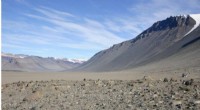
* Desert: Plants like cacti are adapted to survive in arid conditions, while desert animals have evolved to conserve water.
Understanding ecosystems is crucial for conserving biodiversity and managing human impact on the environment. By recognizing the intricate connections within these complex systems, we can work towards ensuring their health and sustainability.