1. Land Use Changes:
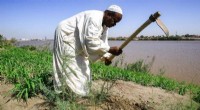
* Agriculture: Clearing forests, wetlands, and grasslands for crops and livestock is the leading cause of habitat loss worldwide.
* Urbanization: Expanding cities and towns destroy natural habitats, fragmenting ecosystems and reducing wildlife populations.
* Infrastructure Development: Roads, dams, pipelines, and other infrastructure projects fragment habitats, disrupt natural processes, and impact wildlife movement.
* Mining: Open-pit and underground mining activities remove vast amounts of land, destroy ecosystems, and release pollutants.
* Logging: Harvesting timber, especially through clear-cutting practices, removes trees and alters forest ecosystems, affecting biodiversity.
2. Resource Extraction:
* Fossil Fuel Extraction: Oil and gas drilling, fracking, and coal mining destroy ecosystems and pollute water and air, impacting wildlife habitats.
* Fishing: Overfishing, destructive fishing practices like bottom trawling, and bycatch can deplete fish populations and alter marine ecosystems.
* Water Extraction: Excessive groundwater pumping can lower water tables, impacting wetlands, rivers, and other freshwater habitats.
3. Pollution:
* Air pollution: Greenhouse gases, industrial emissions, and smog can alter climates, affect plant growth, and impact air-breathing animals.
* Water pollution: Chemical runoff from agriculture, industry, and urban areas can contaminate water sources, harming aquatic life and ecosystems.
* Light pollution: Artificial light at night can disrupt nocturnal animal behavior, alter plant growth, and reduce biodiversity.
* Noise pollution: Excessive noise from traffic, machinery, and construction can harm wildlife, disrupt their communication, and negatively impact their health.
4. Invasive Species:
* Introduction of non-native species: Through trade, travel, and other human activities, invasive species can outcompete native species, disrupt ecosystems, and threaten biodiversity.
5. Climate Change:
* Rising temperatures: Climate change alters weather patterns, causes droughts, and increases the frequency and intensity of extreme weather events, impacting habitats and wildlife.
* Sea level rise: Coastal erosion and saltwater intrusion due to rising sea levels threaten coastal ecosystems, affecting species like mangroves and sea turtles.
6. Other Human Activities:
* Hunting and poaching: Illegal hunting and poaching can lead to the decline of endangered species and disrupt ecosystem balance.
* Tourism: Unregulated tourism can lead to habitat degradation, disturbance of wildlife, and pollution in sensitive areas.
It's crucial to recognize that these human activities are interconnected and often have synergistic effects on habitat loss. Addressing habitat loss requires a multi-pronged approach, including sustainable land management practices, conservation efforts, pollution control measures, and mitigating climate change.